
Blessings in Islam: What They Are and How to Recognize Them Every Day
Most people wait for something extraordinary to feel grateful. Islam teaches the opposite. Blessings in Islam are not reserved for windfalls, miracles, or peak moments. They are embedded in the texture of ordinary life, and the ability to see them is itself a form of worship. This guide breaks down exactly what Islamic theology means by a blessing, blessings in Islam how scholars have categorized divine gifts, what the Quran and Sunnah say about gratitude, and how you can train yourself to recognize hidden blessings every single day.
What Are Blessings in Islam
Before you can recognize blessings, you need to understand what Islam actually means by the word. This is not a vague or sentimental concept. It is a precise, blessings in Islam spiritually grounded idea with deep roots in Arabic linguistics, Quranic theology, and over fourteen centuries of prophetic tradition.
The Arabic Concept of Barakah and Its Meaning
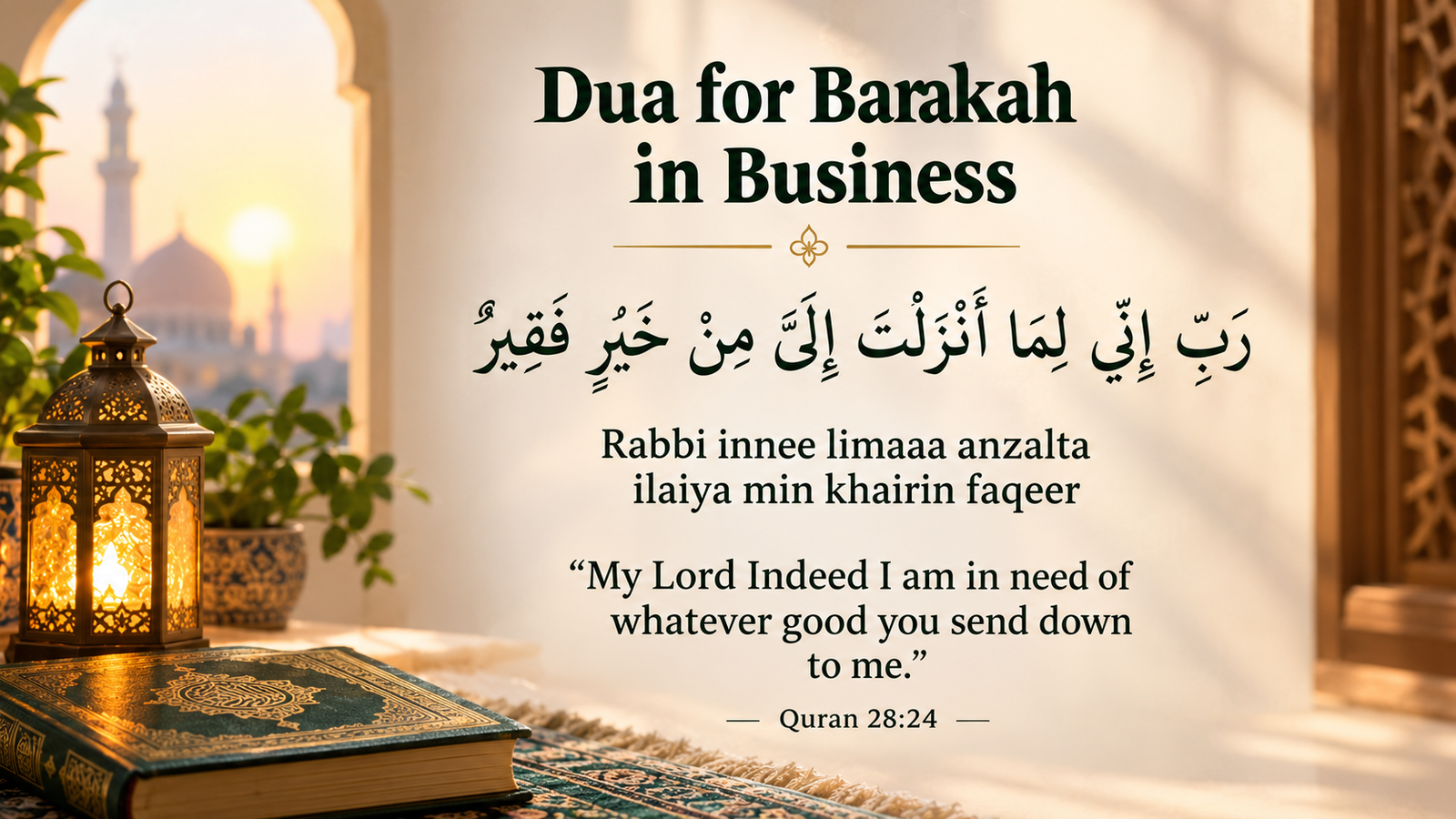
The word that anchors almost every discussion of blessings in Islam is “barakah.” It derives from the Arabic root “b-r-k,” which carries the layered meaning of something settling, increasing, and overflowing beyond its natural measure. Classical Islamic scholar Ibn al-Qayyim al-Jawziyyah described barakah as divine goodness that flows into a thing and causes it to grow beyond its apparent capacity. When a thing has barakah, it produces more benefit than its outward form would suggest possible.
This concept reframes how you measure value entirely. Consider two households. One earns a modest income but spends with discipline, gives in charity regularly, and feels contentment and sufficiency. Another earns significantly more but feels perpetual scarcity and blessings in Islam anxiety. The Islamic framework would say the first household has barakah in its provision. The Prophet Muhammad, peace be upon him, blessings in Islam consistently taught his companions that divine blessing is not about quantity. It is about a quality of sacred increase that only Allah can grant, and it is attracted by specific attitudes and actions.
How Islam Distinguishes a Blessing from a Trial
One of the most nuanced distinctions in Islamic theology is the difference between a blessing (ni’mah) and a trial (ibtila). What makes the Islamic position genuinely interesting is that the tradition teaches both can be the same event, depending entirely on how a person responds.
In Surah Al-Anbiya (21:35), Allah states: “Every soul will taste death, and We will test you with evil and with good as trial, and to Us you will be returned.” This verse is unambiguous. Goodness itself is a test. Wealth functions as a blessing when it produces gratitude and generosity, and blessings in Islam it becomes a trial when it produces arrogance and spiritual neglect. Hardship, by the same logic, can strengthen faith or weaken it depending on the condition of the heart.
In practice, this means the Islamic definition of a blessing is never simply “something pleasant that happened to you.” It is something that brings you closer to Allah, whether or not it felt comfortable at the time. That single shift in definition changes how you process your entire life experience.
The Spiritual Significance of Recognizing Divine Gifts
Recognizing blessings in Islam is not a feel-good exercise. It carries genuine theological weight and practical spiritual consequences.
The Quran uses two contrasting terms to anchor this teaching. Shukr means gratitude toward Allah, and kufr al-ni’mah means ingratitude toward divine gifts. The latter is treated as a serious spiritual failing, not simply a personality flaw. In Surah Ibrahim (14:7), Allah makes one of the most explicit promises in the entire Quran: “If you are grateful, I will surely increase you in favor. But if you deny, indeed My punishment is severe.” The connection between gratitude and increase is presented here as a divine law, not an encouragement.
Research from the intersection of faith and psychology supports what Islamic scholars have taught for centuries. Studies published in the Journal of Positive Psychology show that gratitude practices anchored in religious conviction produce significantly more sustained improvements in wellbeing than secular gratitude exercises alone. The reason, researchers suggest, is that religiously grounded gratitude connects acknowledgment to relationship. You are not just noting good fortune. You are recognizing a Giver, blessings in Islam and that recognition deepens the relational bond.
For Muslims, this means every time you say “Alhamdulillah” with genuine awareness of what you are saying, you are performing an act of worship. You are attributing your good to its actual source, and according to Quranic promise, that act attracts more.
Types of Blessings in Islam
Islamic scholarship has organized divine blessings into several distinct categories. When I began studying this structure more carefully, blessings in Islam I realized how many gifts I had been moving past each day without registering them.
Material Blessings: Health, Wealth, and Family
The most immediately recognizable blessings in Islam are those that sustain physical existence. The Prophet Muhammad, blessings in Islam peace be upon him, said: “Whoever among you wakes up secure in his property, healthy in his body, and has his food for the day, it is as if the whole world were brought to him” (Sunan Ibn Majah, Hadith 4141).
This hadith is worth sitting with. It identifies three specific conditions:
- Security of property: Freedom from theft, destruction, or loss
- Health of body: Functioning limbs, senses, and physical capacity
- Provision for the day: Enough food to sustain you through that day
The Prophet said that if you wake up with those three things, you effectively possess the world. Most people reading this article wake up with all three, every day, without pausing to register them. That gap between possession and recognition is exactly what Islamic gratitude practice is designed to close.
Wealth earned through lawful means is also celebrated in Islamic tradition as a trust from Allah, not something inherently worldly or spiritually suspect. The companion Abd al-Rahman ibn Awf was enormously wealthy and is celebrated in Islamic history. What distinguished him was how he earned it, how he gave from it, and how little he allowed it to attach to his heart.
Family sits alongside health and wealth as one of the clearest signs of divine mercy. Surah Al-Rum (30:21) describes spouses as a sign from Allah: “And of His signs is that He created for you from yourselves mates that you may find tranquility in them, and He placed between you affection and mercy.” Children, parents, and blessings in Islam extended family are each named in the Quran as specific ni’mah, divine favors deserving of conscious recognition.
Spiritual Blessings: Faith, Guidance, and Wisdom
The Islamic tradition consistently places spiritual blessings above material ones in its hierarchy of gifts. Iman, or faith, is described as the greatest gift Allah can bestow on a human being. In Surah Al-Hujurat (49:17), Allah says: “Rather, Allah has conferred favor upon you that He has guided you to the faith.” Guidance is framed here as something Allah does for you, not something you achieve through your own effort alone.
Wisdom (hikmah) receives its own dedicated praise in Surah Al-Baqarah (2:269): “He gives wisdom to whom He wills, and whoever has been given wisdom has certainly been given much good.” The ability to understand life with clarity, to make sound decisions under pressure, to read people and situations with discernment — these capacities are gifts, not simply the product of experience or intelligence. This is why making dua for blessings in Islam regularly includes asking for wisdom and correct judgment, Dua for Peace not just health and provision.
Tawbah, the ability to repent and return to Allah, is another spiritual blessing that often goes unappreciated. The fact that the door of repentance remains open is itself a mercy that Islamic scholars describe as one of Allah’s greatest gifts to humanity.
Hidden Blessings That Are Easy to Overlook
Some of the most profound Islamic blessings are the ones you rarely notice until they disappear. The ability to wake before Fajr and make wudu with warm water. A moment of mental clarity in the middle of a difficult decision. A conversation with a friend that happens to say exactly what you needed to hear. The Islamic tradition calls these “hidden ni’mah,” blessings embedded so deeply in the texture of ordinary experience that they become invisible through familiarity.
One effective practice that many Islamic scholars recommend is keeping a daily gratitude record. Not a generic list of good things, but a specific log of overlooked provisions: a road you traveled without incident, a headache that passed, an email that resolved a problem you had been worrying about. The Prophet, peace be upon him, encouraged his companions to look for blessings in small things, and this trained attention is itself a form of ibadah.
Quranic Verses About Blessings in Islam
The Quran is the primary source of Islamic teaching on divine provision, gratitude, and the nature of Allah’s gifts to humanity. Several verses form the theological backbone of how Muslims understand and relate to blessings.
Key Ayahs About Allah’s Gifts to Humanity
Surah Ibrahim (14:34) contains one of the most expansive statements about divine generosity in the entire Quran: “And He gave you from all you asked of Him. And if you should count the favor of Allah, you could not enumerate them.” Two claims sit inside this verse. First, Allah has responded to your requests, including needs you did not know how to articulate. Second, the total number of His gifts exceeds any human capacity to count them.
Surah An-Nahl (16:18) repeats a near-identical statement: “And if you should count the favors of Allah, you could not enumerate them. Indeed, Allah is Forgiving and Merciful.” The deliberate repetition of this theme across multiple surahs signals how central this message is to the Quran’s teaching about the divine-human relationship. When the Quran repeats something, it is asking you to pay particular attention.
Surah Ad-Duha (93:11) contains a personal instruction: “But as for the favor of your Lord, report it.” This verse is understood by scholars to mean that acknowledging blessings openly, to yourself and to others, is an act of obedience. Speaking about what Allah has given you with gratitude, rather than concealing it out of false modesty or taking personal credit, is part of fulfilling your relationship with the Giver.
How the Quran Links Gratitude Directly to Increase
The divine promise in Surah Ibrahim (14:7) is worth examining carefully: “If you are grateful, I will surely increase you in favor. But if you deny, indeed My punishment is severe.” Islamic scholars note that this verse uses the word “la-azidannakum,” which translates literally as “I will most certainly increase you.” The emphasis in the Arabic is absolute. Gratitude does not merely maintain what you have. According to this promise, it multiplies it.
What form does that increase take? Scholars including Ibn Kathir and Al-Qurtubi note that the increase may be material, spiritual, or both, and that the most significant increase is often in barakah rather than in raw quantity. You may not earn more, blessings in Islam but what you earn goes further. You may not gain more time, but the time you have feels fuller and more productive.
How to Recognize Blessings in Islam Every Day
Recognizing Islamic blessings does not happen automatically. It requires intentional practice, and the good news is that the Sunnah provides a detailed framework for developing exactly that.
Morning and Evening Remembrance as a Recognition Practice
The Prophet, peace be upon him, prescribed specific adhkar (remembrances) for morning and evening that function as a daily audit of divine gifts. The morning adhkar in particular include expressions of gratitude for waking up alive, for physical health, and for the return of consciousness after sleep. When practiced with awareness rather than rote repetition, these supplications train the mind to begin each day in a posture of recognition.
One specific dua that directly targets gratitude is: “Allahumma ma asbaha bi min ni’matin aw bi-ahadin min khalqika fa-minka wahdaka la sharika lak, fa-lakal-hamdu wa lakash-shukr” (O Allah, whatever blessing I or any of Your creation have received this morning is from You alone, You have no partner. To You belongs all praise and thanks). Reciting this dua with genuine reflection on what it means is, according to scholars, equivalent to fulfilling the gratitude due for all the blessings of that day.
Three Practical Habits for Noticing Divine Provision
Developing the ability to see blessings as blessings requires consistent practice. Here are three specific habits rooted in Islamic tradition and supported by contemporary behavioral science:
- Name one overlooked blessing each night before sleep. Not a major event, but something small: running water, a working phone, blessings in Islam a bus that arrived on time. Specificity matters more than significance. The brain registers specific gratitude more deeply than vague appreciation.
- Say Alhamdulillah deliberately, not automatically. When something good happens, pause for two seconds before or after saying it and ask yourself what you are actually thanking Allah for. This converts a habitual phrase into a moment of genuine acknowledgment.
- Reframe a current difficulty using the ni’mah/ibtila framework. Choose one difficult circumstance in your life right now and ask: what has this situation forced me to develop, seek, or appreciate that I would not have otherwise? This is not toxic positivity. It is applying the Quranic framework that both good and difficulty are tests and that hidden blessings operate through hardship.
Making Dua for Blessings in Islam
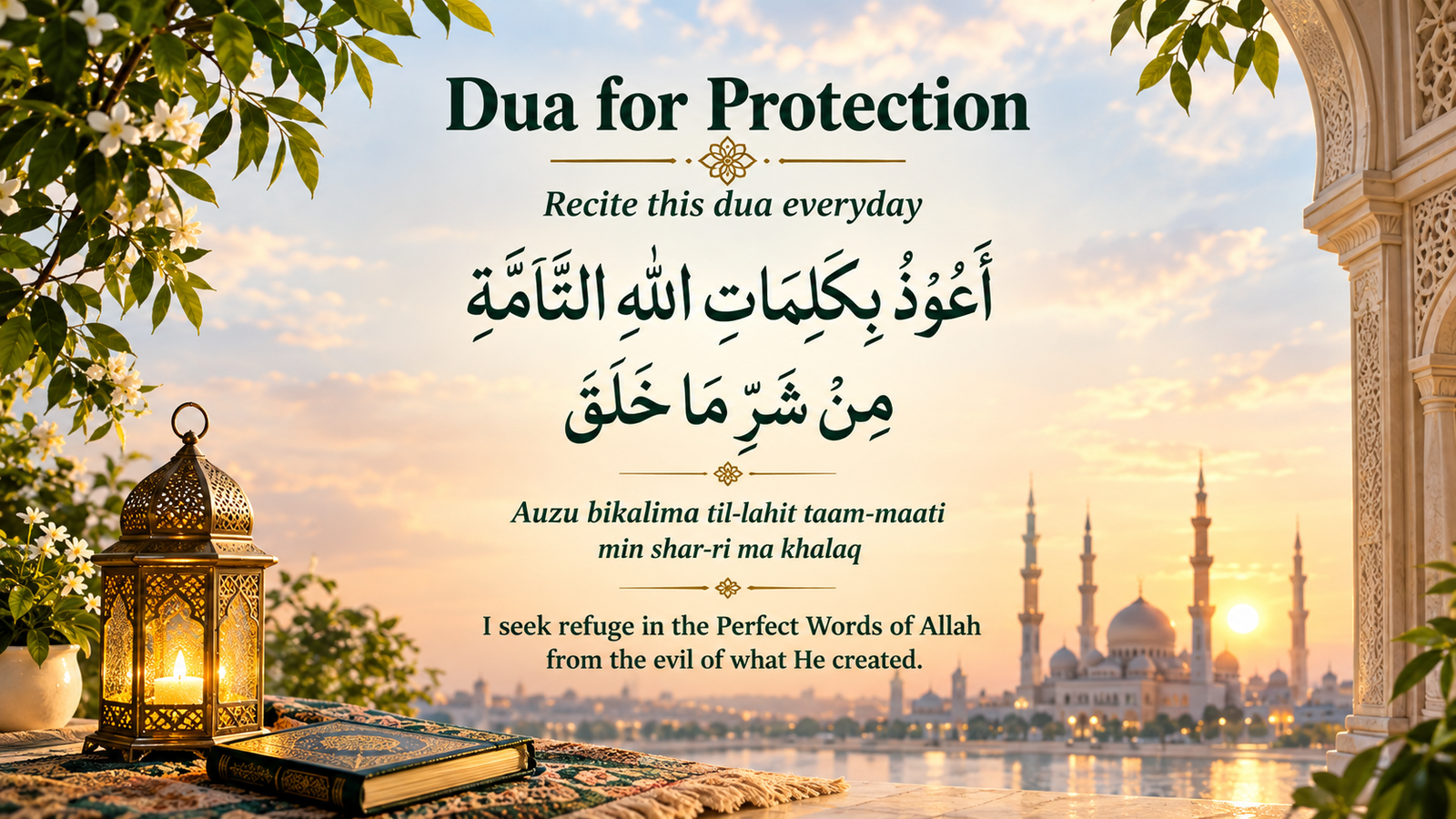
Supplication for divine blessings is itself an act of worship in Islamic tradition, and it reinforces the recognition of where those blessings come from. The Prophet, blessings in Islam peace be upon him, taught specific duas for barakah in provision, in time, in family, and in knowledge.
One of the most comprehensive duas for blessings is from the Prophet’s own supplication: “Allahumma barik lana fi rajab wa sha’ban wa ballighna Ramadan” (O Allah, bless us in Rajab and Sha’ban and allow us to reach Ramadan). The structure of this dua is instructive. It does not ask for more time. It asks for barakah in the time already given. That distinction reflects the Islamic understanding that sacred abundance is qualitative, not just quantitative.
Common Misconceptions About Islamic Blessings
A few misunderstandings about blessings in Islam are widespread enough to address directly.
Misconception 1: Only material prosperity signals divine blessing. This is directly contradicted by prophetic teaching. The Prophet, peace be upon him, lived with extreme material simplicity and is described as the most blessed of all creation. Barakah is not visible through wealth alone.
Misconception 2: Hardship means Allah is displeased with you. This is perhaps the most damaging misunderstanding in popular Islamic culture. The Prophet, peace be upon him, said: “The greatest reward comes with the greatest trial. When Allah loves a people, He tests them” (Sunan Ibn Majah, Hadith 4031). Difficulty can be a sign of divine attention, not divine punishment.
Misconception 3: Gratitude is a passive feeling. In Islamic practice, shukr is an active, three-part reality. It involves recognition in the heart, expression on the tongue, and demonstration through action. A person who feels grateful but never speaks of Allah’s gifts and never acts differently because of them has not completed the Islamic understanding of gratitude.
Key Takeaways
- Blessings in Islam are defined by barakah, a quality of sacred increase granted by Allah that multiplies the benefit of what you already have.
- The Islamic framework treats both gifts and hardships as tests, meaning a blessing is ultimately defined by whether it brings you closer to Allah, not by whether it felt pleasant.
- The Quran makes a direct causal link between gratitude (shukr) and increase in blessings, and between ingratitude and loss, making recognition of divine gifts a spiritually consequential act.
- Material blessings include health, wealth, and blessings in Islam family. Spiritual blessings include faith, guidance, wisdom, and the ability to repent. Hidden blessings are embedded in the details of ordinary daily life.
- Consistent daily practices including morning adhkar, deliberate Alhamdulillah, and specific duas for barakah are the practical tools Islam provides for developing the habit of recognizing divine provision.
Frequently Asked Questions
What is the difference between barakah and ni’mah in Islam?
Barakah refers specifically to divine increase, the quality that causes a thing to produce more benefit than its outward form would suggest. Ni’mah is the broader term for any blessing or favor from Allah, whether material or spiritual. Think of ni’mah as the gift itself and barakah as the sacred quality that multiplies its benefit. Both are central to how Islamic theology discusses divine gifts.
How can I increase blessings in my life according to Islam?
The Quran and Sunnah identify several specific causes of increased blessings. Gratitude expressed through heart, tongue, and blessings in Islam action attracts more, as promised in Surah Ibrahim (14:7). Giving in
What part does gratitude have in getting blessings?
Gratitude or shukr is a part of seeing and keeping the gifts from Allah. Gratitude means being thankful in the heart speaking words of praise to Allah and using the gifts in ways that make Allah happy.The Quran says that gratitude leads to gifts, blessings in Islam from Allah. Gratitude is a thing to practice for a life filled with blessings.
Can wealth have Barakah in Islam?
Yes wealth can have Barakah when it is earned in the way and used in a way that pleases Allah. A small amount of wealth that is earned properly and blessings in Islam used wisely can give good things, blessings in Islam more peace and more happiness than a large amount that is not earned properly. Islam cares not about how much wealth a person has but also about how it is gained and how it is used.
What can a Muslim do when they feel they have lost blessings?
A Muslim should return to Allah by asking for forgiveness making prayers being thankful and doing things. Hard times do not always mean that the gifts, blessings in Islam from Allah are gone. Sometimes these hard times have lessons and spiritual benefits. Staying patient and trusting in Allah while keeping on doing things can help a person find new blessings in their life.

Leave a Reply