
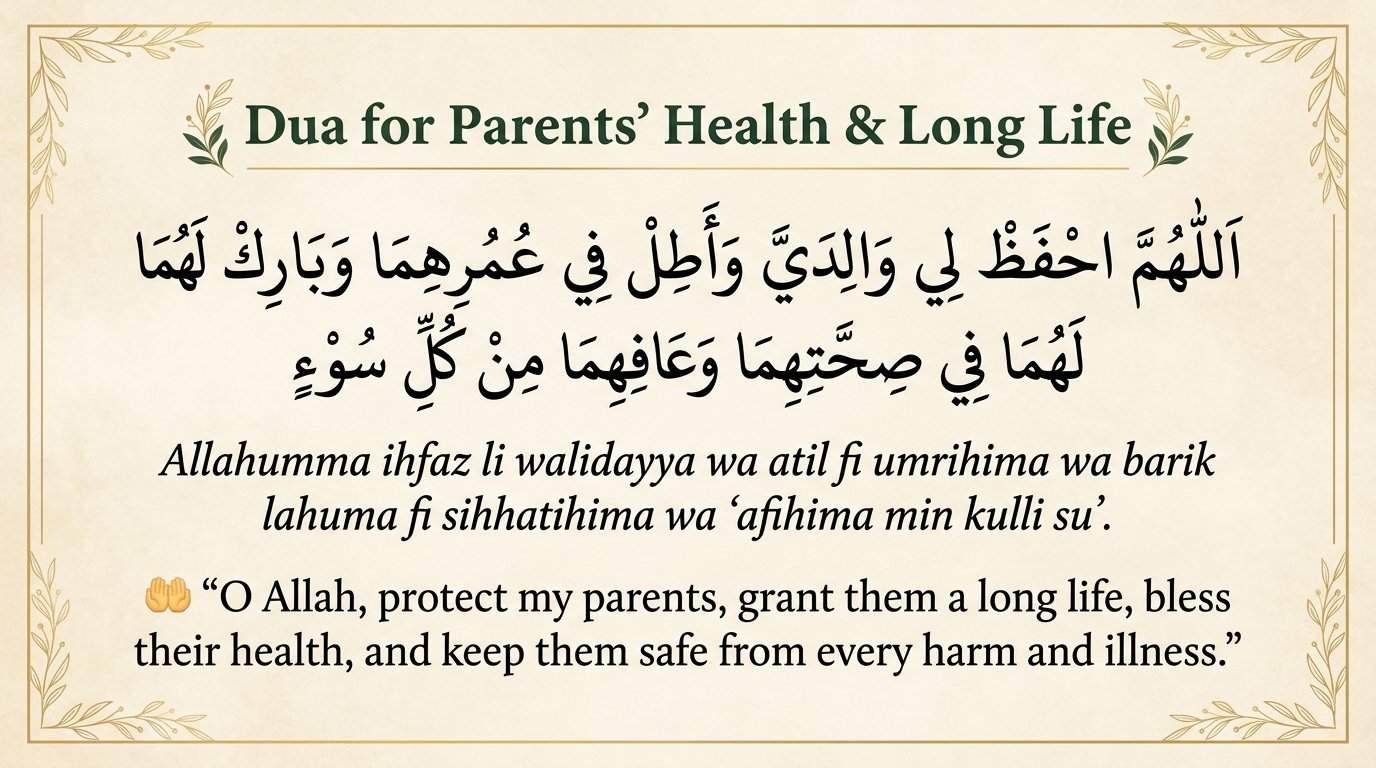
Dua for Parents Health and Long Life: Heartfelt Prayers from the Quran and Sunnah
There is a moment most Muslim children know deeply: standing in the quiet before Fajr, hands raised, whispering a dua for parents health and long life and hoping every word reaches Allah before the world wakes up. If that image resonates with you, this guide is exactly what you need. Whether your parents are aging, recovering from illness, or simply living their daily lives far from you, the supplications in this article, drawn directly from the Quran and authentic Sunnah, give you specific, meaningful words to offer on their behalf. You will also find practical guidance on when to make these duas, how to recite them correctly, dua for parents health and long life and how to build them into a daily spiritual routine that feels genuine rather than mechanical.
Why Muslims Pray for Their Parents Health and Long Life
Praying for one’s parents is not a sentimental gesture layered on top of Islamic practice. It sits at the very core of it. Allah explicitly paired His own worship with kindness toward parents in the Quran, and the Prophet Muhammad (peace be upon him) consistently elevated parents to a status second only to Allah Himself. Understanding this theological foundation transforms a dua for parents health and long life from a personal wish into an act of worship with real spiritual weight.
The Islamic Obligation to Honor and Pray for Parents
In Surah Al-Isra (17:23), Allah says: “Your Lord has decreed that you worship none but Him, and that you be kind to parents.” Ibn Kathir, in his landmark commentary Tafsir Al-Quran Al-Azim, notes that this pairing is deliberate and significant. Neglecting one’s parents, in the Islamic framework, dua for parents health and long life is not simply a social failure. It is a spiritual one.
The Prophet Muhammad (peace be upon him) reinforced this in a hadith recorded in Sahih Muslim, listing disrespecting parents among the gravest major sins, alongside associating partners with Allah. When you understand this, dua for parents health and long life praying for your parents transforms completely. It stops being just a loving impulse and becomes a form of fulfilling a divine obligation.
Scholars at Al-Azhar University in Cairo have consistently taught that Birr al-Walidayn, the Arabic term for dutifulness toward parents, explicitly includes praying for their health, dua for parents health and long life longevity, and spiritual guidance. This duty does not diminish when a child reaches adulthood. In practice, it intensifies as parents age and their need for both material support and spiritual intercession grows.
How Dua Reflects Gratitude and Love Toward Parents
Dua is fundamentally an act of acknowledgment. When you make dua for your parents’ wellbeing, you are admitting that their health, their breath, and their remaining years rest in the hands of Allah, not in yours. That act of humility is itself a form of gratitude, because it recognises the irreplaceable gift your parents represent.
The Quran describes the sacrifice of parents using precise and powerful imagery. In Surah Al-Ahqaf (46:15), Allah describes how a mother carries her child “in hardship upon hardship.” Islamic scholars interpret this verse as a reminder that the debt owed to parents cannot be repaid through material means alone. Prayer becomes the currency through which you begin to express what cannot be fully expressed in action or words. When you raise your hands and ask Allah specifically for your parents’ health and long life, dua for parents health and long life you join every Muslim child across history who has loved a parent and found that love too large for words alone.
Dua for Parents Health and Long Life from the Quran
The Quran contains several specific supplications for parents, and these carry the highest authority because they come from divine revelation itself. Two in particular stand as the most cited, dua for parents health and long life most theologically significant, and most widely practised across the Muslim world.
Surah Al-Isra Verse 24: The Most Recited Dua for Parents
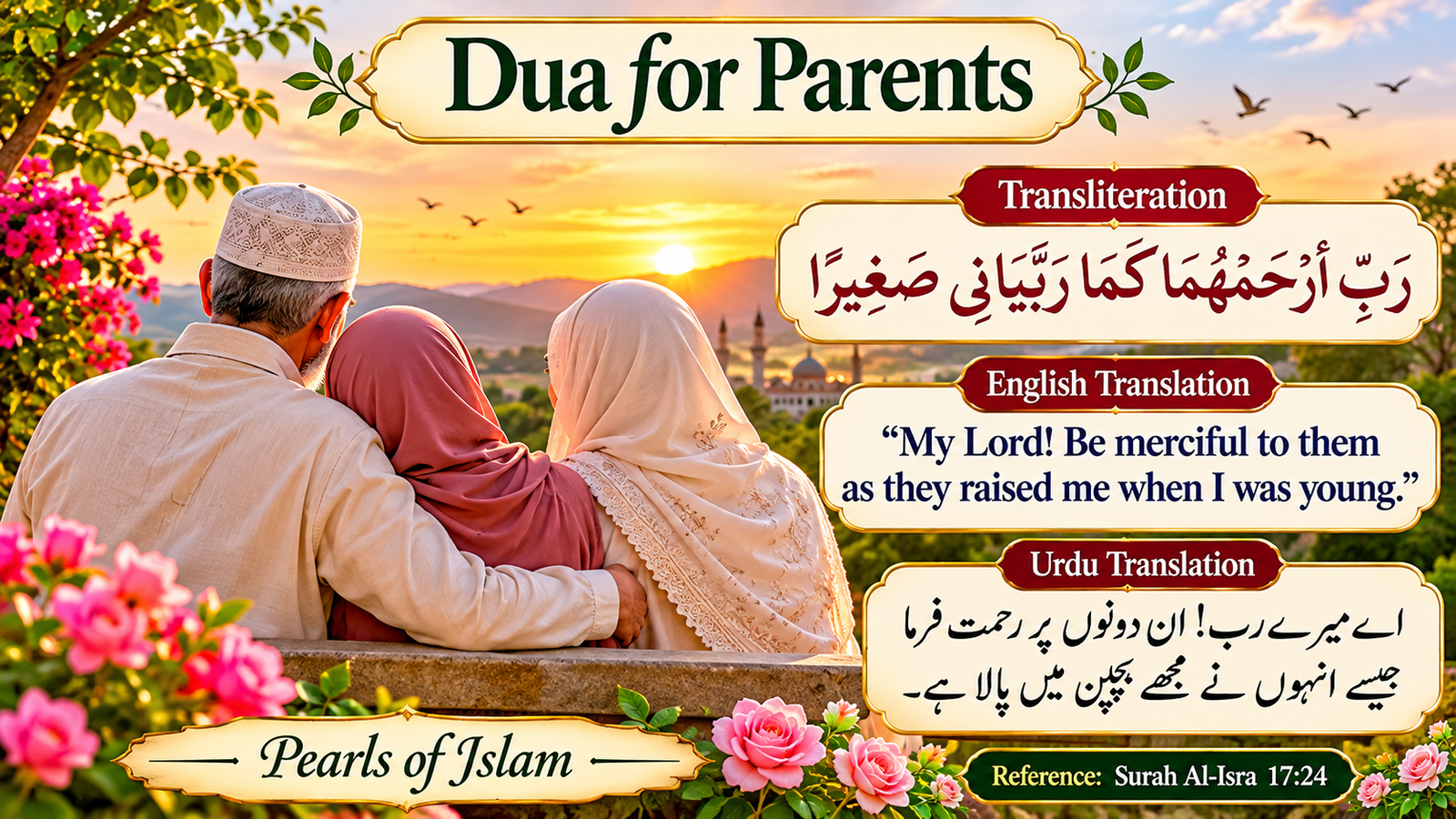
Surah Al-Isra, verse 24, contains what scholars widely regard as the central Quranic dua for parents health and long life. After commanding believers to treat parents with gentleness and to lower the wing of humility before them, Allah teaches this supplication directly within the text:
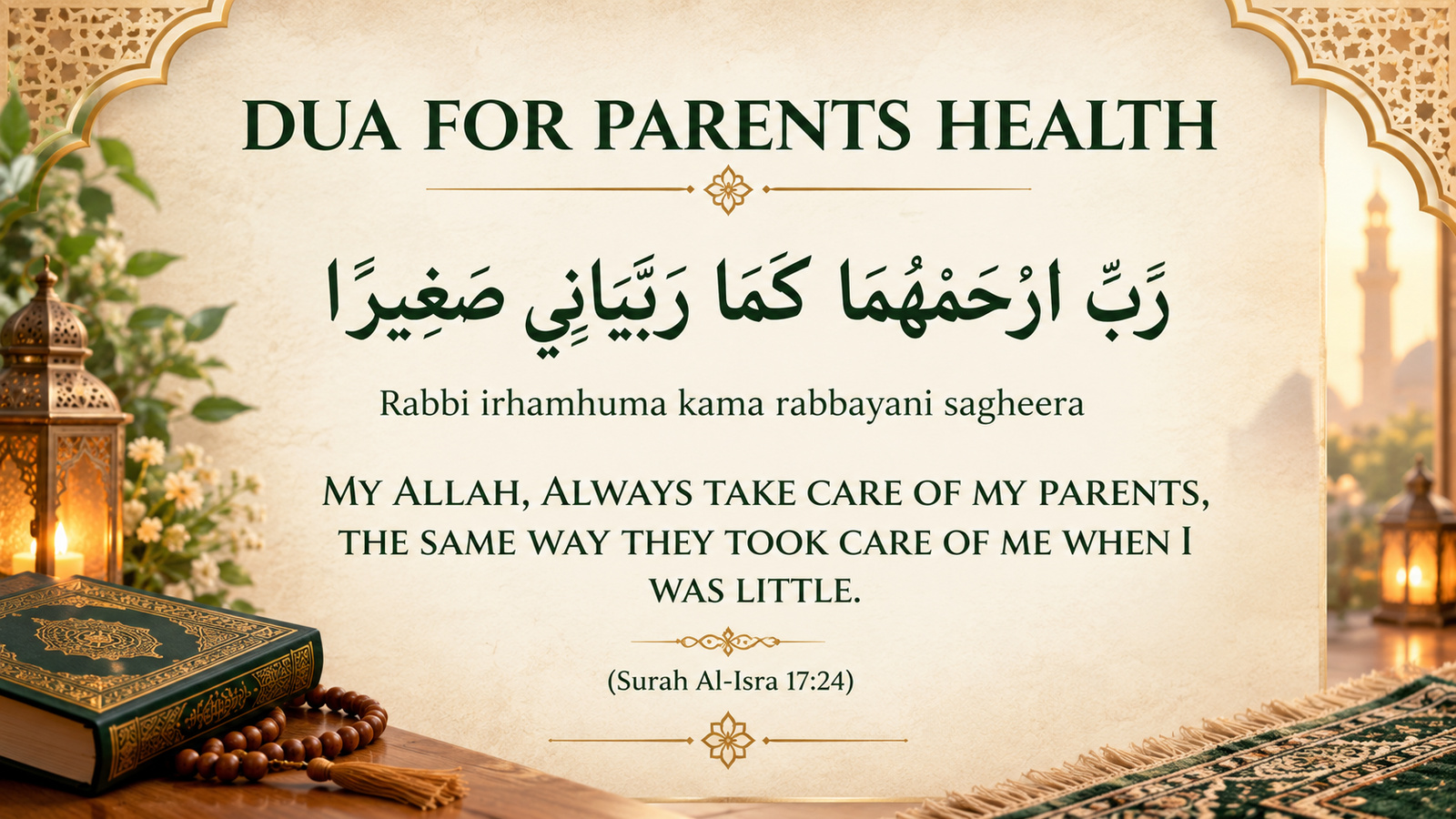
Arabic: “Rabbir hamhuma kama rabbayani saghira.”
Translation: “My Lord, have mercy upon them as they raised me when I was small.”
This dua carries three features that Islamic scholars frequently highlight:
- Allah teaches it Himself within the Quran, giving its words divine authority and design.
- It grounds the request for mercy in a specific reason, the sacrifice of raising a child, making it simultaneously a prayer and an expression of gratitude.
- It addresses Allah using the word “Rabb,” which emphasises His role as the ultimate caregiver and sustainer, connecting a parent’s mercy toward a child directly to Allah’s own mercy.
Sheikh Ibn Uthaymeen, one of the most respected Islamic scholars of the 20th century, wrote in his commentary on this verse that every Muslim child should recite this dua regularly, dua for parents health and long life at minimum whenever the remembrance of parents enters the heart during prayer. For Muslims separated from their parents by distance, as many in the West are, this verse serves as a spiritual bridge that sends mercy and protection across any number of miles.
Surah Ibrahim Verse 41: Asking Allah to Forgive Parents
The second major Quranic supplication appears in Surah Ibrahim (14:41), where the Prophet Ibrahim (Abraham) made this dua:
Arabic: “Rabbana ighfir li wa li walidayya wa lil mu’minina yawma yaqumul hisab.”
Translation: “Our Lord, forgive me and my parents and the believers on the Day when the account is established.”
This supplication extends beyond physical health to encompass spiritual wellbeing and forgiveness. For anyone praying for sick parents or for aging parents whose years feel precious, this dua carries deep comfort. It reminds you that your ultimate concern for your parents reaches beyond their comfort in this life into their salvation in the next. Pairing this with a more health-focused supplication gives you a complete, two-dimensional prayer that covers both the body and the soul.
How to Recite These Quranic Duas Correctly
Recitation of Quranic duas carries specific etiquette, and getting it right matters both spiritually and practically.
- Begin with Bismillah and send salawat upon the Prophet before supplicating.
- Face the Qibla if possible and raise your hands to chest level.
- Recite with a sincere and fully present heart rather than rushing through the words mechanically.
- For non-Arabic speakers, supplicating in English or any other language is completely permissible.
- Learning the Arabic of these Quranic verses is strongly encouraged, because the linguistic precision of the Quran carries layers of meaning that translation can approximate but never fully capture.
Sheikh Salih Al-Munajjid of IslamQA, one of the most referenced fatwa platforms globally with millions of readers monthly, dua for parents health and long life consistently emphasises that the condition of the heart during dua matters enormously to its acceptance. A dua recited with distraction and haste is not the same as one offered with full attention and sincere longing.
Dua for Parents Health and Long Life from the Sunnah
Beyond the Quran, the Sunnah of the Prophet Muhammad (peace be upon him) provides additional supplications and detailed guidance on how to pray for parents. These prophetic traditions add practical depth, telling you not just what to say but when and how to say it most effectively.
Prophetic Supplications for the Wellbeing of Parents
The Prophet Muhammad (peace be upon him) made clear through both his words and his practice that consistent prayer for parents was a defining mark of a righteous believer. In a hadith recorded by Ibn Majah, he said: “The dua of a child for his parent is not rejected.” This statement carries enormous weight in Islamic jurisprudence. It points to a uniquely favoured channel of supplication that exists specifically between a child and Allah regarding their parents.
One of the most recommended supplications from authentic hadith collections combines the Quranic language of Surah Al-Isra with an explicit request for forgiveness:
Arabic: “Allahumma ighfir li wa li walidayya warhamhuma kama rabbayani saghira.”
Translation: “O Allah, forgive me and my parents, and have mercy on them as they raised me when I was small.”
This comprehensive Islamic prayer for parents covers physical wellbeing, spiritual forgiveness, and divine mercy in a single breath.
Additional Duas for Specific Needs
In practice, you will find that different situations call for slightly different supplications. Here are three scenarios with appropriate duas:
For a parent who is ill:
“Allahumma Rabb an-naas, adhhibil ba’s, washfi anta al-Shaafi, laa shifaa’a illaa shifaa’uka, shifaa’an laa yughadiru saqamaa.”
Translation: “O Allah, Lord of mankind, remove the hardship, and grant healing. You are the Healer. There is no healing except Your healing, dua for parents health and long life a healing that leaves no illness behind.”
This supplication comes from Sahih Bukhari and Sahih Muslim, dua for parents health and long life narrated in the context of the Prophet visiting the sick.
For a parent who has passed away:
“Allahumma ighfir lahu warhamhu wa ‘afihi wa’fu ‘anhu.”
Translation: “O Allah, forgive him (or her), have mercy on him, grant him wellbeing, and pardon him.”
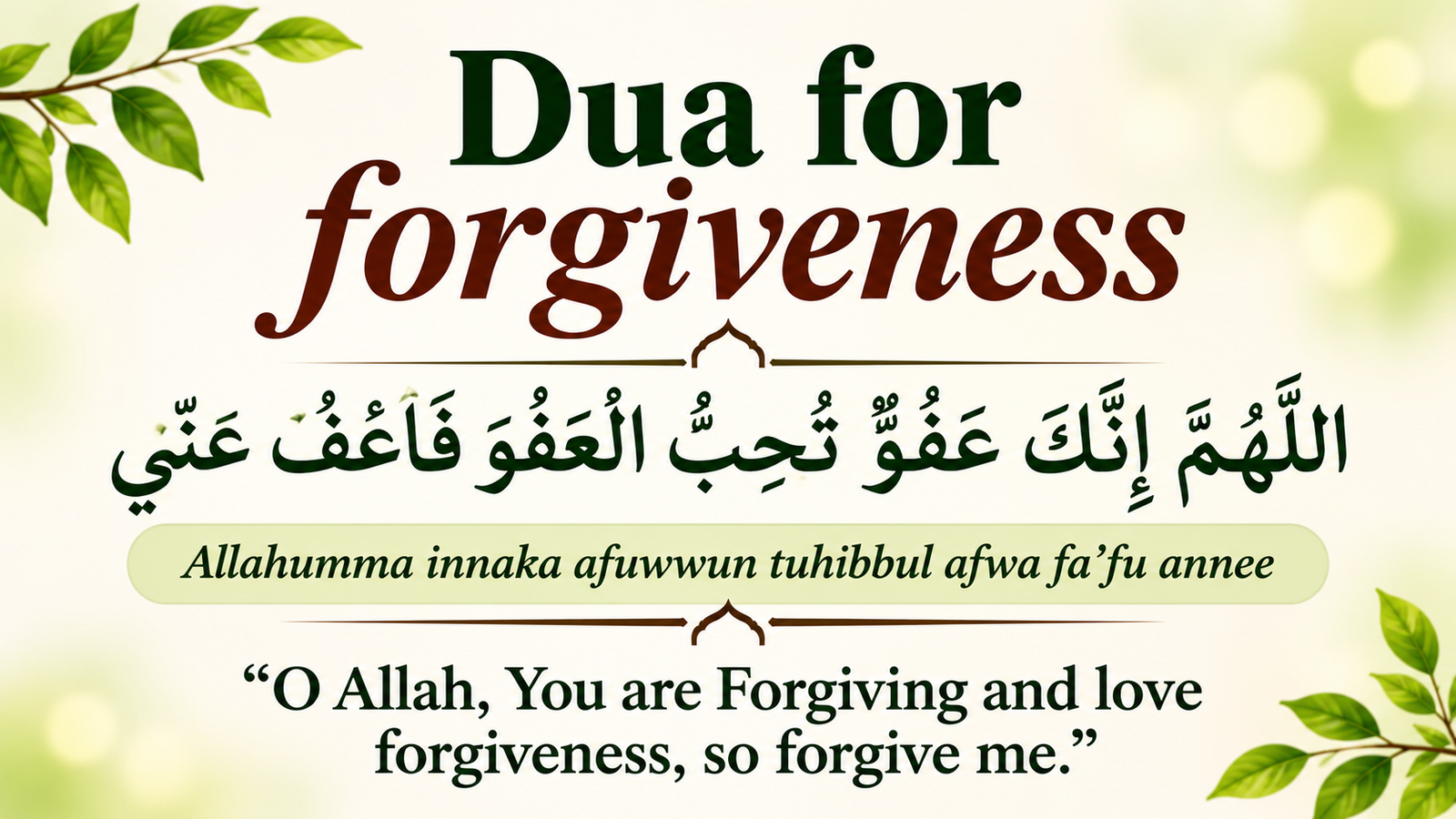
Scholars including Sheikh Ibn Baz noted that continuing to make dua for deceased parents is one of the three deeds that benefit a person after death, Dua for Forgiveness alongside ongoing charity and beneficial knowledge. Your dua for parents long life does not end with their passing. It transforms.
For parents who are non-Muslim:
This is a nuanced area that many Muslims navigate with genuine pain. The scholarly consensus, based on Surah At-Tawbah (9:113), is that Muslims cannot ask for forgiveness for deceased non-Muslim parents. However, dua for parents health and long life you can make dua for their guidance while they are alive, and you can continue to show them kindness and honour in all other ways. The dua of Surah Al-Ahqaf (46:15), which asks Allah for the ability to do good works, is often recommended in this context.
Best Times and Occasions to Make Dua for Your Parents

Knowing what to say is only half the work. Knowing when to say it determines how consistently and powerfully your supplications land. Islamic scholarship identifies specific times when dua is most likely to be accepted, dua for parents health and long life and building your prayers for your parents around these windows is a practical strategy with deep prophetic backing.
The Most Powerful Times for Supplication
The following times carry the highest spiritual weight for any dua, including a dua to protect parents from illness and harm:
The last third of the night: The Prophet said, as recorded in Sahih Bukhari and Sahih Muslim, that Allah descends to the lowest heaven in the last third of every night and asks: “Who is calling upon Me that I may answer him?” Reciting your dua for parents health and long life during Tahajjud prayer places your words in this window.
Between the adhan and the iqamah: A hadith in Sunan Abu Dawud confirms that supplications made in this brief period are not rejected.
During prostration (sujud): The Prophet said, as recorded in Sahih Muslim: “The closest a servant is to his Lord is when he is in prostration, so make many supplications in it.” Adding a brief Arabic or English dua for your parents during sujud is both easy and spiritually powerful.
After obligatory prayers: Many scholars recommend making the duas of Surah Al-Isra (17:24) and Surah Ibrahim (14:41) consistently after each of the five daily prayers.
On Fridays, particularly near Asr: A hadith recorded in Sahih Bukhari describes an hour on Friday during which no Muslim asks Allah for anything except that Allah grants it to him.
Building a Daily Dua Routine for Your Parents
The mistake most people make here is treating dua for parents as an occasional act reserved for crises. What actually works is embedding it into your existing daily rhythms so it becomes as natural as breathing.
A practical structure:
- After Fajr, recite “Rabbir hamhuma kama rabbayani saghira” three times.
- During any prostration in your five daily prayers, add a brief personal supplication for your parents in your own words.
- After Isha, recite the full hadith-based dua: “Allahumma ighfir li wa li walidayya warhamhuma kama rabbayani saghira.”
- On Fridays near Asr, make a longer, more personal dua that includes specific health needs, emotional wellbeing, and ease in their daily lives.
This structure takes less than five minutes across the entire day and covers every major accepted time for supplication. Over weeks and months, it builds a consistent spiritual practice of Islamic prayer for parents health that feels rooted rather than reactive.
The Spiritual and Psychological Benefits of Praying for Parents
This may surprise you: research published in the Journal of Behavioral Medicine (2003) found that intercessory prayer, praying for another person’s health, dua for parents health and long life correlates with measurable reductions in the anxiety levels of the person praying. For Muslim children who live far from aging parents and carry a constant undercurrent of worry about them, this finding has real practical relevance.
Making a consistent dua for parents wellbeing does something for the person praying as well. It redirects anxiety into an act of agency. Instead of feeling helpless about a parent’s illness or aging, you are doing something real, something that Islamic theology confirms carries genuine spiritual efficacy. The Prophet’s statement that the dua of a child for a parent is not rejected is not just comforting. It is motivating.
There is also the matter of what this practice models for your own children. Children who grow up watching their parents make heartfelt dua for grandparents absorb a living lesson in both Islamic practice and human gratitude. The tradition passes forward in real time.
Common Misconceptions About Dua for Parents
“Dua Only Works If My Parents Are Present”
This is not accurate according to Islamic scholarship. Dua made for a person in their absence is not only valid but is specifically noted as among the most sincere forms of supplication, because it carries no social motive. A hadith in Sahih Muslim records that the Prophet said: “The dua of a Muslim for his brother in his absence is answered.” Parents fall within the scope of this narration.
“If My Parents Have Passed, Dua Is No Longer Useful”
This is one of the most widespread misconceptions. Continuing to make dua for deceased parents is explicitly endorsed in Islamic scholarship. The Prophet said, as recorded in Sunan Abu Dawud: “When a person dies, his deeds come to an end except for three: ongoing charity, beneficial knowledge, or a righteous child who prays for him.” Your supplication for a deceased parent is an ongoing act of honour and love with real spiritual consequences.
“My Dua Is Not Good Enough Because I Am Not Religious Enough”
This misconception causes enormous unnecessary guilt. Islamic theology makes clear that dua is open to every believer regardless of their current level of practice. What matters is sincerity of heart and an honest turning toward Allah. Sheikh Ibn Uthaymeen specifically addressed this point, dua for parents health and long life noting that a person should never allow a sense of unworthiness to stop them from supplicating, because the act of turning to Allah in humility is itself a form of worship that Allah loves.
Key Takeaways
- The dua for parents health and long life is not just a personal wish. It is a fulfilment of a Quranic obligation and an act of worship in its own right.
- The two most authoritative supplications come directly from the Quran: Surah Al-Isra (17:24) and Surah Ibrahim (14:41), and both should be part of your regular practice.
- The last third of the night, dua for parents health and long life prostration, dua for parents health and long life and the period between adhan and iqamah are the highest-value windows for supplication.
- Building dua for your parents into your existing daily prayer routine, dua for parents health and long life rather than reserving it for emergencies, creates a consistent spiritual practice that carries far more cumulative weight.
- Dua for deceased parents remains valid and spiritually effective, dua for parents health and long life and continuing it is one of the most significant acts of honour a child can offer after a parent’s passing.
Frequently Asked Questions
What is the best dua for parents health and long life in Islam?
The most authoritative dua for parents health and long life comes from Surah Al-Isra (17:24): “Rabbir hamhuma kama rabbayani saghira,” which translates as “My Lord, have mercy upon them as they raised me when I was small.” This supplication is taught by Allah directly in the Quran, dua for parents health and long life making it the most spiritually significant choice. Pairing it with the hadith-based dua “Allahumma ighfir li wa li walidayya warhamhuma kama rabbayani
A prayer for the health and long life of parents?
رَبِّ ارْحَمْهُمَا كَمَا رَبَّيَانِي صَغِيرًا
(Rabbi irhamhuma kama rabbayani saghira.) Translation: O Lord, have mercy upon them, just as they raised me when I was small.
What prayer should I offer for the good health of my parents?
اللَّهُمَّ اشْفِ وَالِدَيَّ وَعَافِهِمَا
(Allahumma ishfi walidayya wa ‘afihima.) Translation: O Allah, grant healing and well-being to my parents.
What prayer should I offer for the long life of my parents?
O Allah! Grant my parents good health, dua for parents health and long life a long life filled with blessings, and a life that is pleasing to You. Ameen.
Should one pray for one’s parents daily?
Yes, it is excellent to pray for one’s parents daily, including after every prayer (Salah).
What is the supplication for the health and protection of newborns?
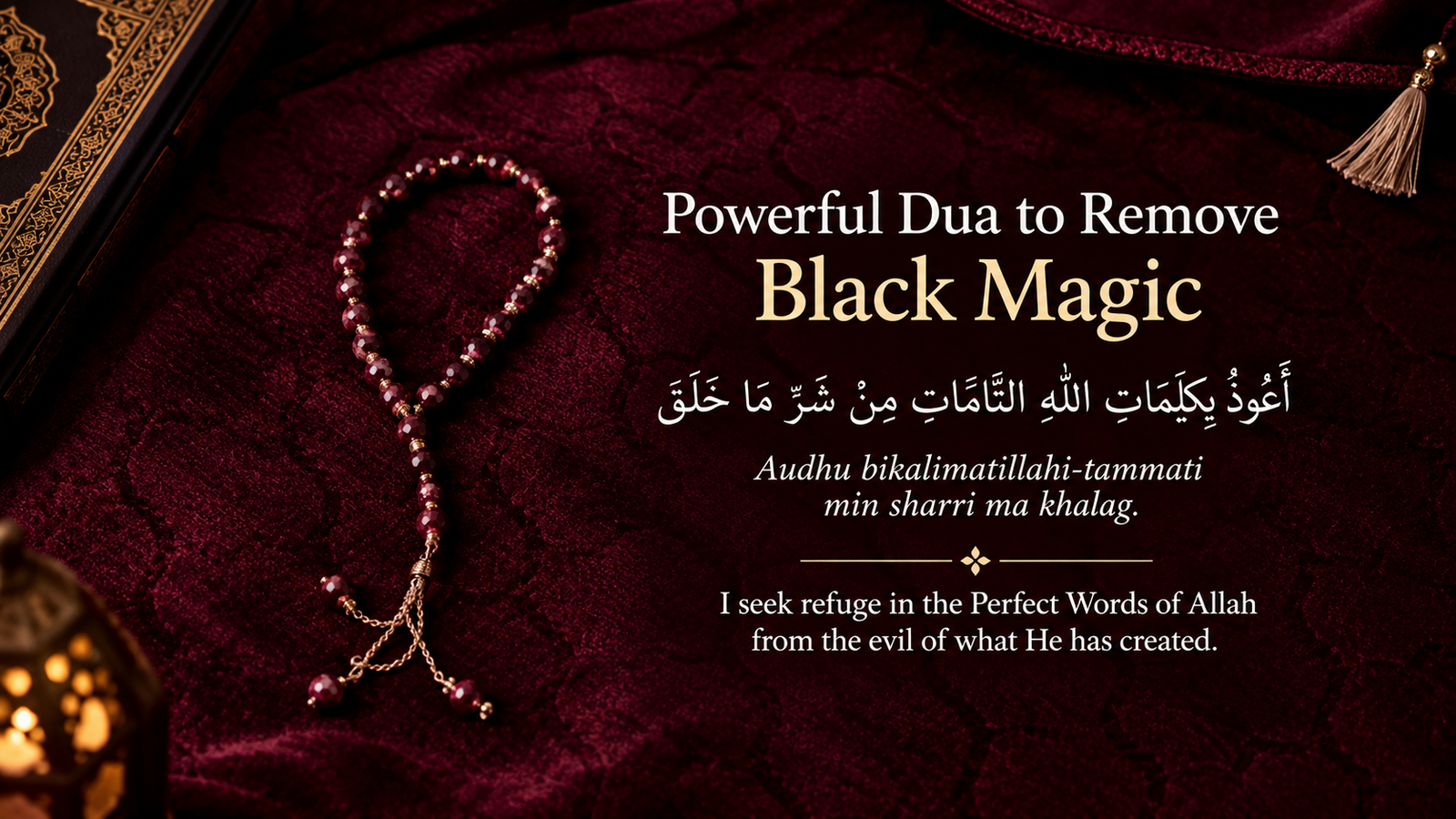
أَعُوذُ بِكَلِمَاتِ اللَّهِ التَّامَّاتِ مِنْ شَرِّ مَا خَلَقَ
(Transliteration: A’ūdhu bi-kalimātillāhit-tāmmāti min sharri mā khalaq.) Translation: I seek refuge in the perfect words of Allah from the evil of all that He has created. May Allah, dua for parents health and long life the Blessed and Exalted, grant a long life filled with health, well-being, tranquility, and blessings. Ameen.






Leave a Reply